
WINE GUIDE
Natural Wines
Everything you need to know about natural wines.
Natural Wines
With sustainability high on the global agenda, we have seen an increase in ‘low intervention’ wines. This means wine is produced with the minimum possible technological or chemical interference. This is a catch-all term and can be broken down into several types of low intervention wine, including natural, organic, and bio-dynamic wines.
Some wineries have taken steps to promote conscientious agriculture and a more diverse ecology within their vineyards, or in the case of bio-dynamic wine, viewing their vineyard and their farming practices as a whole and trying to create a single, self-sustaining system. Advocates of natural winemaking, these wineries are part of a growing movement of sustainability and going ‘green’ that mirrors the current trends in the wider world, as we all try to become more eco-conscious.
Natural Wine
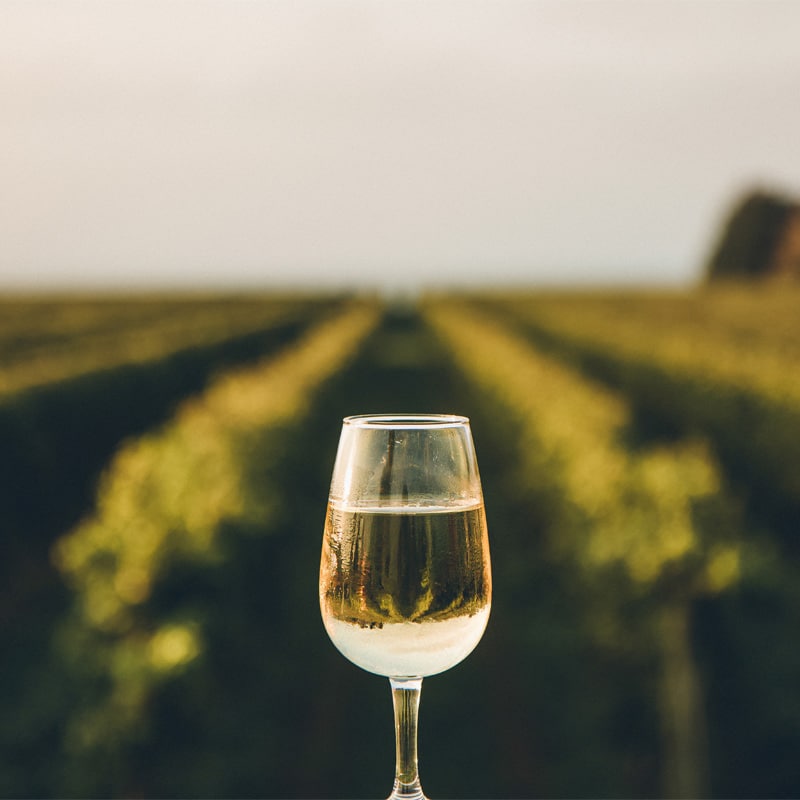
Natural wine is a recent trend that has largely originated from the organic and bio-dynamic wine movements, adopting similar practices from the agricultural and production processes of both. Its aim is to produce wine that comes from a vineyard with a diverse ecosystem, without or limited use of pesticides and the removal of all chemicals and yeast additions that have traditionally been used in mass wine production.
This is a commendable way of wine making, creating a more sustainable way of wine making and better for our natural ecosystems, however it does not come without risk.
Sulphur dioxide is an additive commonly used in the production of wines as it directly effects the oxidation rate and limits the growth of bacteria during the fermentation stage of the wine making process. It also helps keeps the natural acidity present in wines.
Without this additive and combined with crops that are produced naturally and therefore at the mercy of nature in all its glory, the wine produced in this way can be variable in their taste and in some cases – completely inadequate. The lack of consistency can have a direct impact on a brand, with wineries running the risk of losing customers for life if they have a bad bottle.
However, there are advantages to this style of wine making. Without the additives and with crops being produced somewhat organically, the flavours and depth can actually be enhanced, so if you get a good bottle, you really can tell the difference between naturally produced wine and traditionally processed wine.
FIRTH & CO
More Wine Guides
WINE GUIDE
Our Producers
We work very closely with our supply partners from all over the world. We hope you enjoy browsing their websites.
WINE GUIDE
Vegetarian Wines
Everything you need to know regarding vegetarian and vegan wines to find out what is suitable for your diet.
WINE GUIDE
Organic Wines
Everything you need to know regarding organic and bio-dynamic wines, from the production to the environmental benefits.
WINE GUIDE
Food & Matching Wines
By learning what works well together, you have the knowledge to choose the right wine accompaniment for any future dishes.
WINE GUIDE
Bottle Sizes
Here you can find the most commonly used bottle sizes, their names and whether they are specific to a particular region.
Wine List - The Andes Edition
We take pride in presenting you with the Firth & Co Wine List.
Discover our carefully curated collection of wines from around the world. From everyday favourites to exceptional bottles for special occasions, our wine list brings together a diverse selection of styles, regions and producers. Explore new discoveries, old favourites and something to suit every taste and occasion.
This is a working copy of our wine list and is subject to change as we continue to refine and update our portfolio.
To view, please click the link below

STAY IN THE LOOP
Newsletter
We look forward to telling you about many great wines, interesting producers, special offers, as well as new ideas and plans for the future in our regular newsletters.
Your data will be handled in accordance with our Privacy Notice